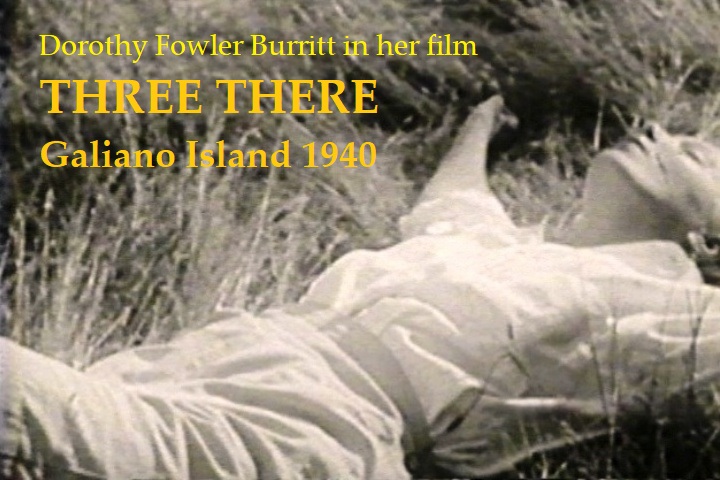
Three There is a home movie, sort of . . . but also much more than that. It would be more precise to describe it as an “experimental amateur travelogue/memoir.” It was filmed in 1940, probably on the Labour Day long weekend, by three Vancouverites: Oscar Burritt, Dorothy Fowler, and Margaret Roberts. [Just a little note here: that’s 85 years ago.]
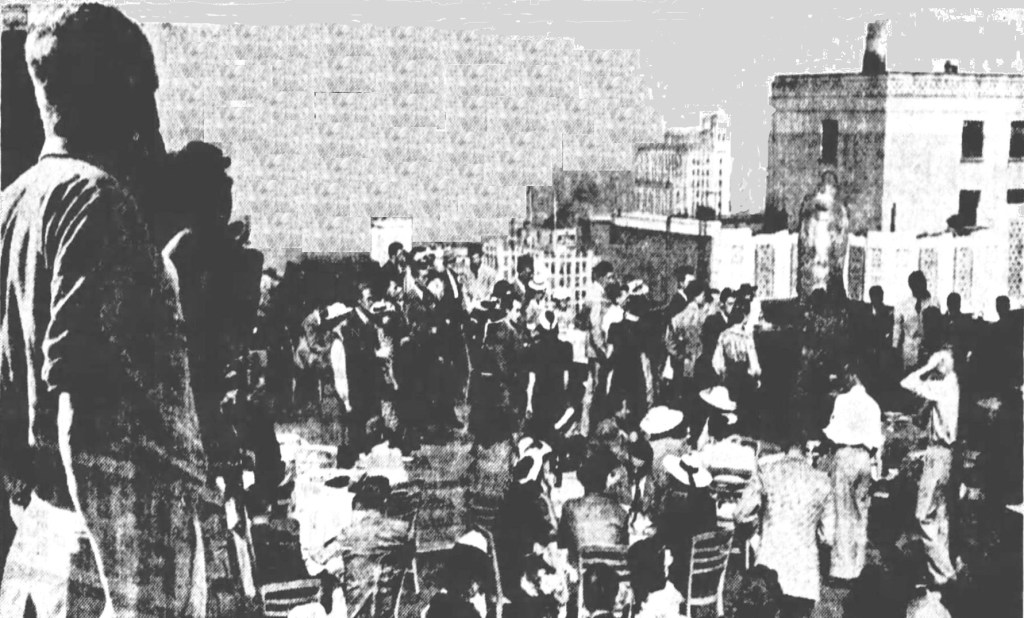
In 1940, Oscar, Dorothy, and Margaret were avid members of the Vancouver Branch, National Film Society of Canada. The society regularly screened foreign and classic cinema on Sunday afternoons at the Stanley Theatre on Granville Street.
Three There survives as an 18-minute, silent, edited-original-reversal 16-millimetre film, preserved in the Douglas Wilson film collection at Library and Archives Canada. The clip I’ve posted here, digitized from a VHS reference copy, comprises two 4-minute excerpts. I’ve added an evocative soundtrack by Maarten Schellekens, courtesy evocativesoundtrack.com.
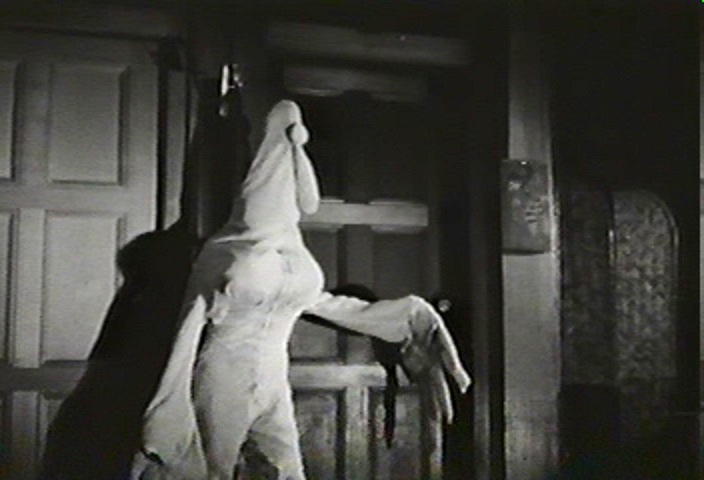
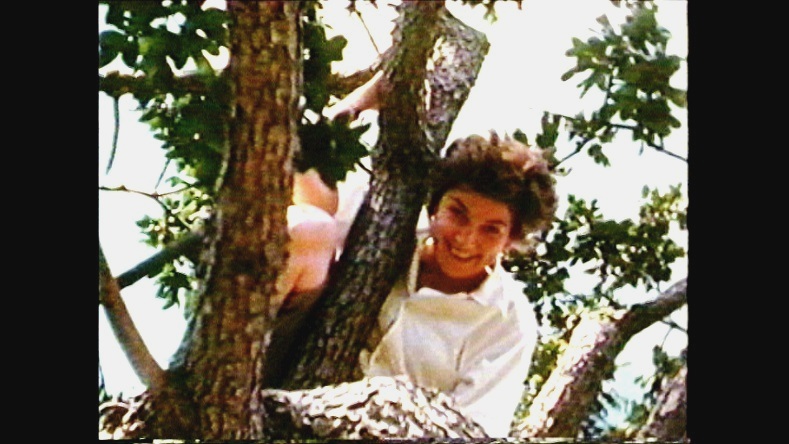
Although on first glance little more than a well-photographed holiday keepsake (with the requisite posing, repetition, and waving to the camera), Three There is actually a little Modernist essay in using film to create a sense of place and mood. The stillness of forest and fog, the motion of waves, and the passing of boats and steamships mark the languid rhythm of “island time.” The three friends amble down country roads and forest trails, take photos, hang out at the ocean’s edge, and chill in their rented cottage, “Skunk Manor.” Dorothy is featured in a series of striking vignettes, dancing and performing dramatic Martha Graham-like gestures in a suspended mirror. In one bravura unedited shot, 72 seconds long, the camera pans steadily to the right—from the outside wall of Skunk Manor, through the foliage to a nearby wharf, and out into the sea-shrouding fog (with a glimpse of Mayne Island across Active Pass)—before finally returning to land, with a shrub popping into the foreground. (This shot begins at 4:37 in the video clip.)
Especially evident throughout Three There is the affection and humour shared by the trio. As elsewhere in Dorothy and Oscar’s work, there are also strange similarities to Maya Deren’s visual style—although Deren would not make her seminal first film, Meshes of the Afternoon, until 1943, some three years later.
Dorothy and Oscar married on January 10, 1942. Oscar had started shooting 16-millimetre amateur films around 1937. By 1943, he was pursuing his hobby professionally as a cameraman and director for Vancouver Motion Pictures. Later, in Toronto, he worked for Shelley Films before joining the National Film Service department of the Canadian Broadcasting Corporation in 1950.
In the years 1944-46, Dorothy worked as a stenographer and “film officer” for the Canadian government—presumably at a local National Film Board office. She was also instrumental in re-booting the Vancouver film society after its hiatus during the Second World War. In Toronto, Dorothy would become a prime mover in the Canadian film society movement. She was an founding member of the Toronto Film Society, and co-founder and president of the Canadian Federation of Film Societies.
As I watch these clips from Three There for the umpteenth time, I find myself going back to the familiar questions that I still want to ask Dorothy and Oscar: Why did you make these films? And why did you stop?
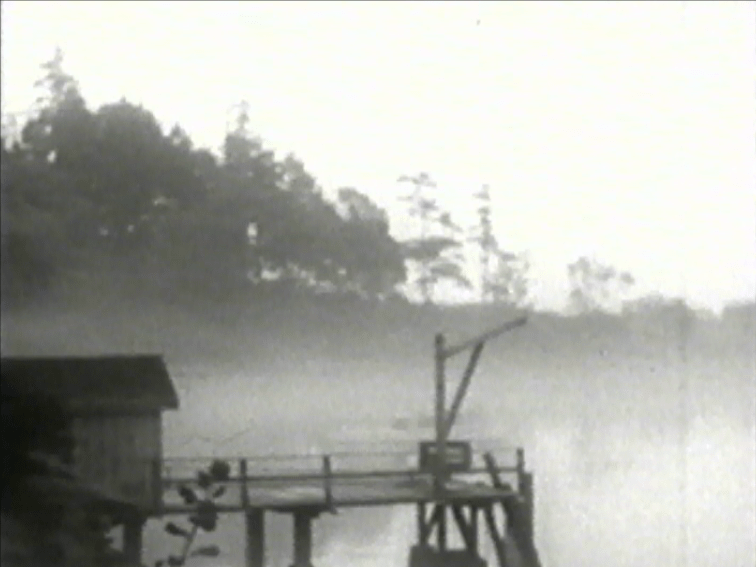
Additional excerpts from Three There can be viewed in the next post, More scenes from that weekend on Galiano.
A Brief Technical Note: The LAC database record for Three There includes this note on the physical status of the duplicate negative they struck from the original film in 1986 (which is also the source of this video copy): “Printed-in dirt, scratches, splices, handling damage and stains from the original. Also some registration movement. This is an A-wind dupe neg. Footage: 489 ft.”
= = = = =
For more about the Burritts and their films, please check out my essay Evangelists.


 Seriously Moving Images
Leave a comment